 Janardhana Nagaiahgari
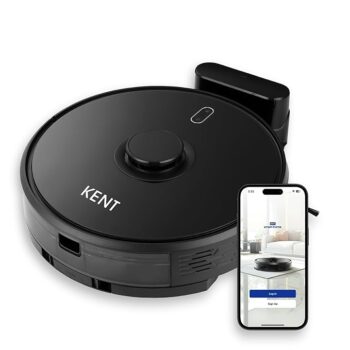
Robot vacuums have moved from futuristic gadgets to everyday helpers in many households — but are they a good fit for Indian homes? Short answer: yes — with caveats.
Below I’ll walk you through the practical benefits, limitations, and buying/usage tips so you can decide if a robot vacuum makes sense for your home, lifestyle and budget.
Why robot vacuums appeal to Indian households
Indian homes face a few cleaning-specific challenges: heavy dust (especially in urban and coastal areas), pet hair, mixed flooring (tiles, marble, laminate, area rugs), frequent guest traffic, and busy family schedules.
Robot vacuums promise convenience: scheduled cleaning, hands-off operation, compact size to reach under beds and sofas, and increasingly good suction and navigation.
For many busy professionals, families with kids, and pet owners, these devices reduce daily cleaning load and help maintain cleanliness between deeper manual cleans.
What robot vacuums do well in Indian homes
- Daily dust control: They can pick up everyday dust, hair and crumbs before buildup becomes obvious. That’s particularly helpful in cities with high particulate matter.
- Under-furniture cleaning: Slim robot profiles can reach under beds, sofas and TV units — areas often missed by conventional vacuums.
- Quick spot cleaning: Spills and crumbs in kitchens or near dining areas can be cleaned fast with spot modes.
- Scheduled automation: Set them to run when you’re out (e.g., work hours) so floors stay presentable without interrupting your day.
- Allergy relief: Regular vacuuming reduces dust and allergens compared to less frequent manual cleaning — helpful for people with mild allergies.
Limitations and concerns specific to Indian homes
- Large debris & textiles: Robot vacuums struggle with larger debris (pebbles, thick food scraps) and can get tangled in long threads or sari tassels. You’ll still need occasional manual sweeping or a conventional vacuum.
- Thresholds & uneven floors: Many Indian homes have door thresholds, rugs with thick edges, or uneven flooring between rooms that can trap or block robots.
- Stairs and split-level homes: Robots can’t clean stairs — you’ll still need another tool or manual effort for steps.
- Cables and clutter: Loose wires, toys, and slippers are robot traps. You’ll need to tidy up before a run for best results.
- Power cuts & battery life: Frequent power outages can interrupt automated runs and require manual restart. Also consider battery life — larger homes may need models with long runtime or recharge-and-resume features.
- Service & spare parts: Availability of local service centers, spare parts and consumables (filters, brushes) varies by brand in India — important for long-term ownership.
- Cost: Good-quality robot vacuums are an investment. Entry-level models may not deliver the performance you need; high-end models cost significantly more than regular vacuum cleaners.
Which floor types suit robot vacuums in India?
- Tiles, marble, granite: Excellent — robots perform very well on smooth hard floors common in Indian homes.
- Laminate / engineered wood: Good — most robots handle these well but avoid models that scratch sensitive finishes.
- Low-pile rugs & thin carpets: Okay — many models transition onto thin rugs. Thick or high-pile carpets present more of a challenge.
- Door mats & heavy-woven dhurries: Problematic — thick mats can trap robots or degrade performance.
Features to prioritise for Indian homes
If you decide a robot vacuum could help, focus on these features when choosing:
- Strong suction & multi-surface brushes: For dust, pet hair and grit.
- Smart navigation (LIDAR or visual SLAM): Helps map complex layouts and avoid getting stuck.
- Recharge-and-resume: Important for larger homes; robot returns to dock, charges, and continues cleaning.
- Cliff sensors & bump detection: Prevent falls and collisions.
- App control & scheduling: Set runs for when you’re out; get cleaning logs and zone control.
- HEPA or high-quality filters: For allergy relief and better indoor air quality.
- Washable dustbin & easy filter access: Reduces maintenance hassles.
- Local service availability & spare parts: Check brand presence and warranty service in your city.
- Wet-mopping module (optional): Some hybrids offer a mopping pad — helpful but not a replacement for manual mopping of sticky stains.
Practical tips for using a robot vacuum in India
- Pre-tidy before runs: Pick up clothes, wires, slippers and sari tassels to avoid jams.
- Use zone/room scheduling: Run the robot in high-use areas (living room, kitchen entry) daily and bedrooms less frequently.
- Combine with manual deep cleans: Use conventional vacuuming or mopping weekly for corners, sofas, and stairs.
- Protect fragile items: Move tiny decorative items off the floor and secure loose rugs.
- Maintain regularly: Clean brushes, empty the dustbin, and change filters as recommended to keep suction optimal.
- Consider a two-device approach if budget allows: One robot for daily maintenance + handheld or upright vacuum for deep cleans and stairs.
Are robot vacuums worth the money?
Value depends on your needs. For busy households where daily tidiness matters, a robot vacuum can save time and consistently reduce dust levels. For smaller apartments with smooth floors, even mid-range models do a solid job and deliver high perceived value. For large homes with many rugs, thresholds, or lots of loose clutter, robots will help but won’t fully replace a traditional vacuum — so weigh expectations against cost.
Which users benefit most?
- Urban families and working professionals who want daily upkeep.
- Pet owners (especially shedding pets) who want regular hair removal.
- Elderly people or those with mobility constraints who need less manual work.
- People with predominantly hard floors and tidy environments.
Final verdict
Robot vacuums are a useful and practical addition to many Indian homes — particularly those with tiled/stone/laminate floors, busy schedules, or pets.
They are not a complete replacement for manual cleaning, stairs, or heavy soiling, but they excel at maintaining everyday cleanliness and reducing the frequency of deep cleans.
Choose a model with good suction, reliable navigation, easy maintenance, and solid brand service in India to get the best return on investment.