
Robot vs Traditional Vacuums (2026): End the Manual Sweep
In the battle for floor supremacy, should you choose the set-it-and-forget-it automation of a robot or the raw, unmatched power of a traditional vacuum? We've tested both across Indian tiles, marble, and carpets to help you decide.
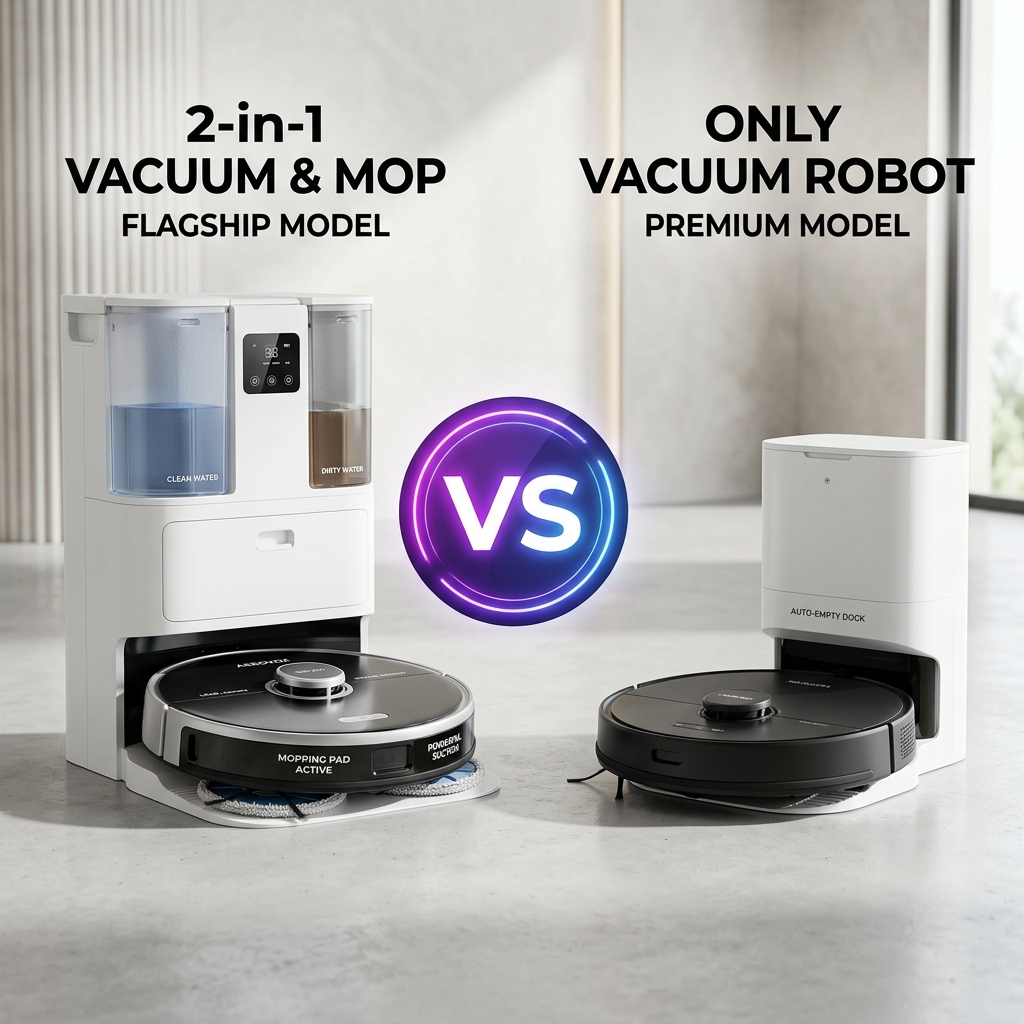
The Quick Answer: Automation or Raw Power?
Your choice depends on whether you value your time or absolute cleaning depth more.
Choose a Robot Vacuum If...
- You want the house cleaned daily while you're at work
- You hate bending to clean under beds and sofas
- You want integrated mopping alongside vacuuming
- You want to maintain a "Dust-Free" baseline daily
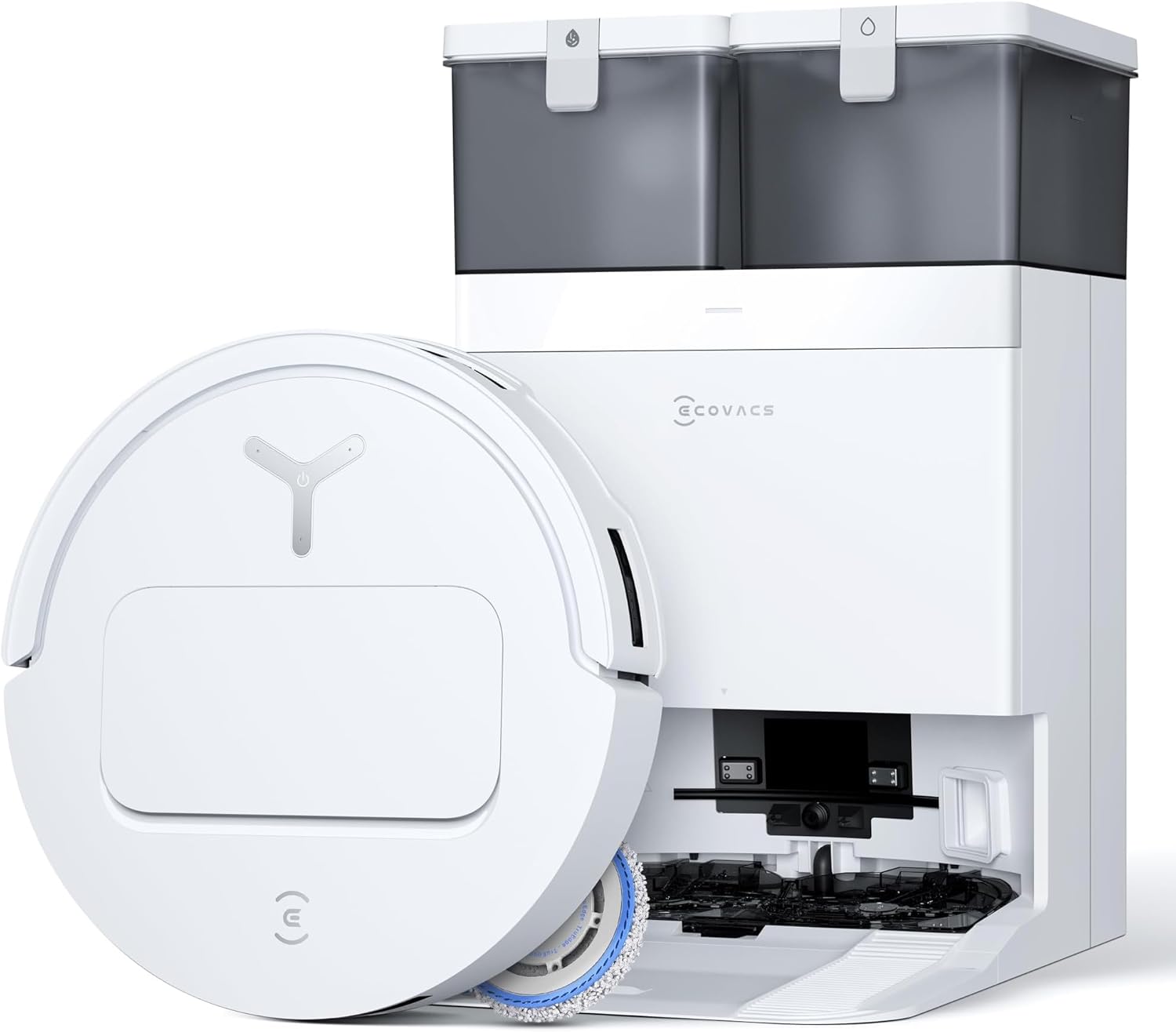
Choose a Traditional Vacuum If...
- You need to clean sofas, curtains, and car interiors
- You have thick carpets that need 15k+ Pa suction
- You prefer a quick 5-minute spot clean manually
- You want a machine that lasts 10+ years with ease
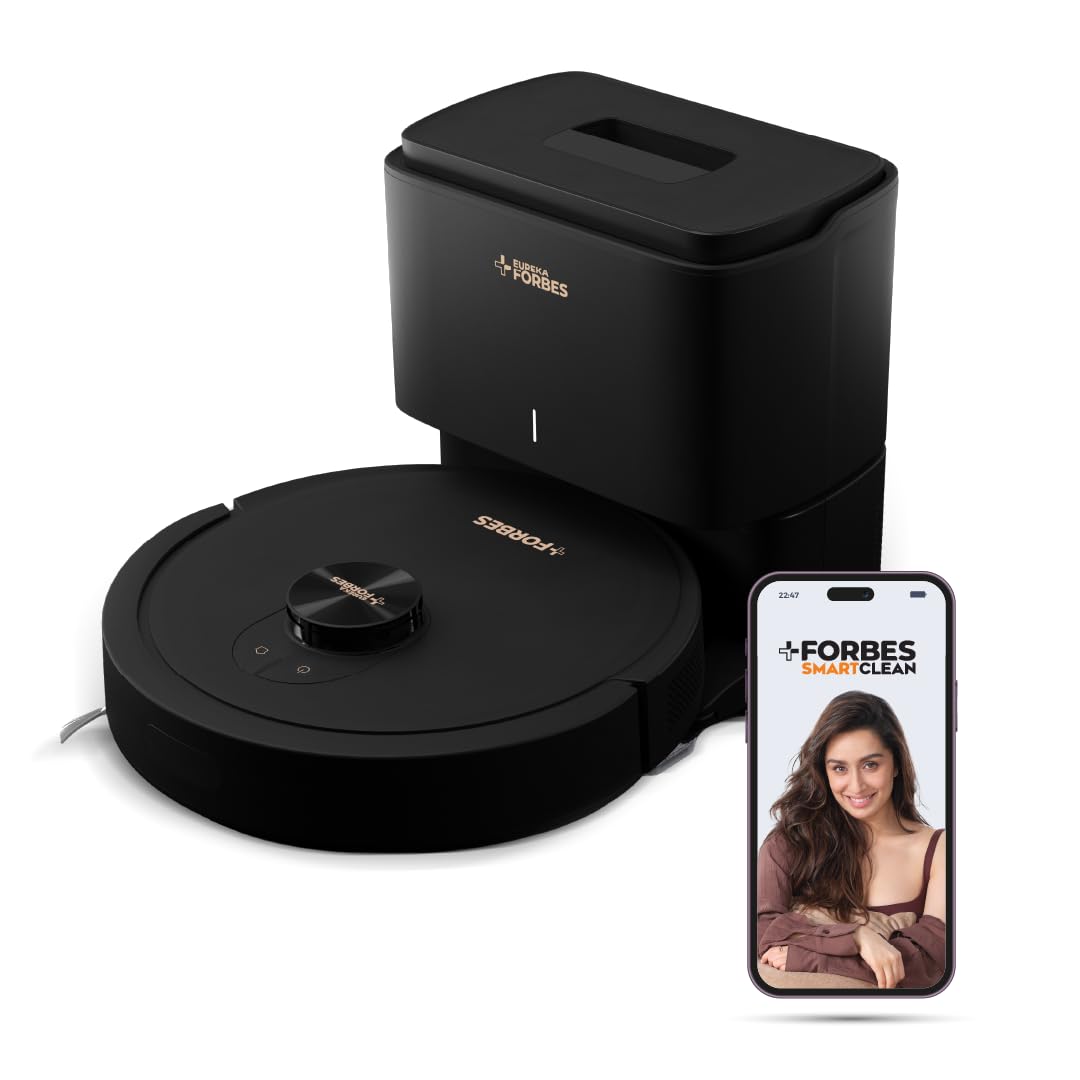
Daily Maintenance
A robot vacuum's greatest strength is consistency. It keeps your floors "guest-ready" 24/7 by removing the daily dust build-up that accumulates in Indian cities.
Versatile Deep Cleaning
Traditional vacuums win on versatility. If you need to clean your window tracks, your SUV's floor mats, or the dust on top of your wardrobes, a traditional vacuum is the only tool for the job.
The Perfect Hybrid
For most Indian homes, the ideal solution is a Robot for daily floor maintenance and a small Stick Vacuum for spot cleaning and upholstery.
Reach vs. Power Reality
Understanding the fundamental differences in how these machines clean.
The Under-Furniture Win
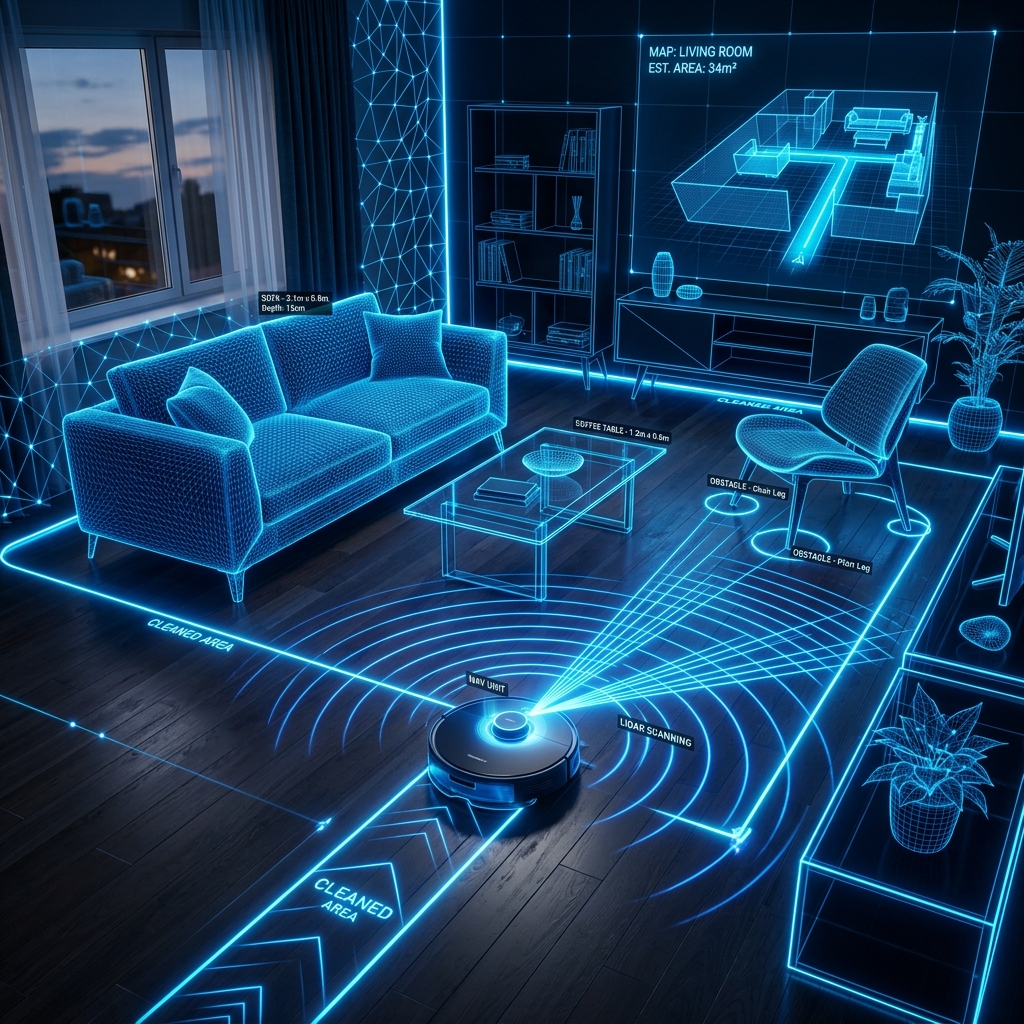
Most Indian beds and heavy teak wood sofas have low clearance. A 9cm robot cleans where no traditional vacuum nozzle can reach without moving 50kg of furniture.
The Edge & Corner Battle
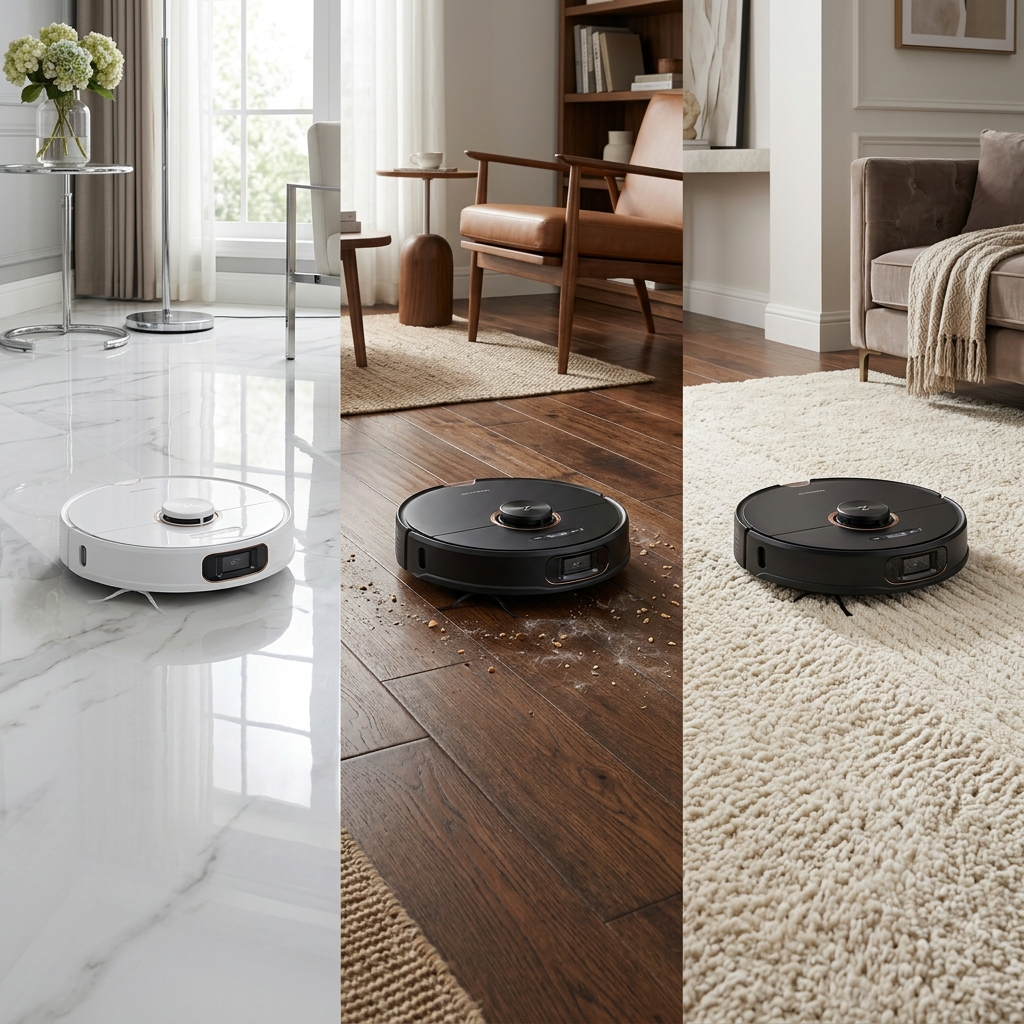
While robots have side brushes, a traditional vacuum with a crevice tool is still faster at extracting heavy sand or construction dust from tight corners.
The Vertical Challenge
If you have a multi-story home, a traditional stick vacuum is essential for stairs. Robots can't climb stairs (yet!), though they can map multiple floors.
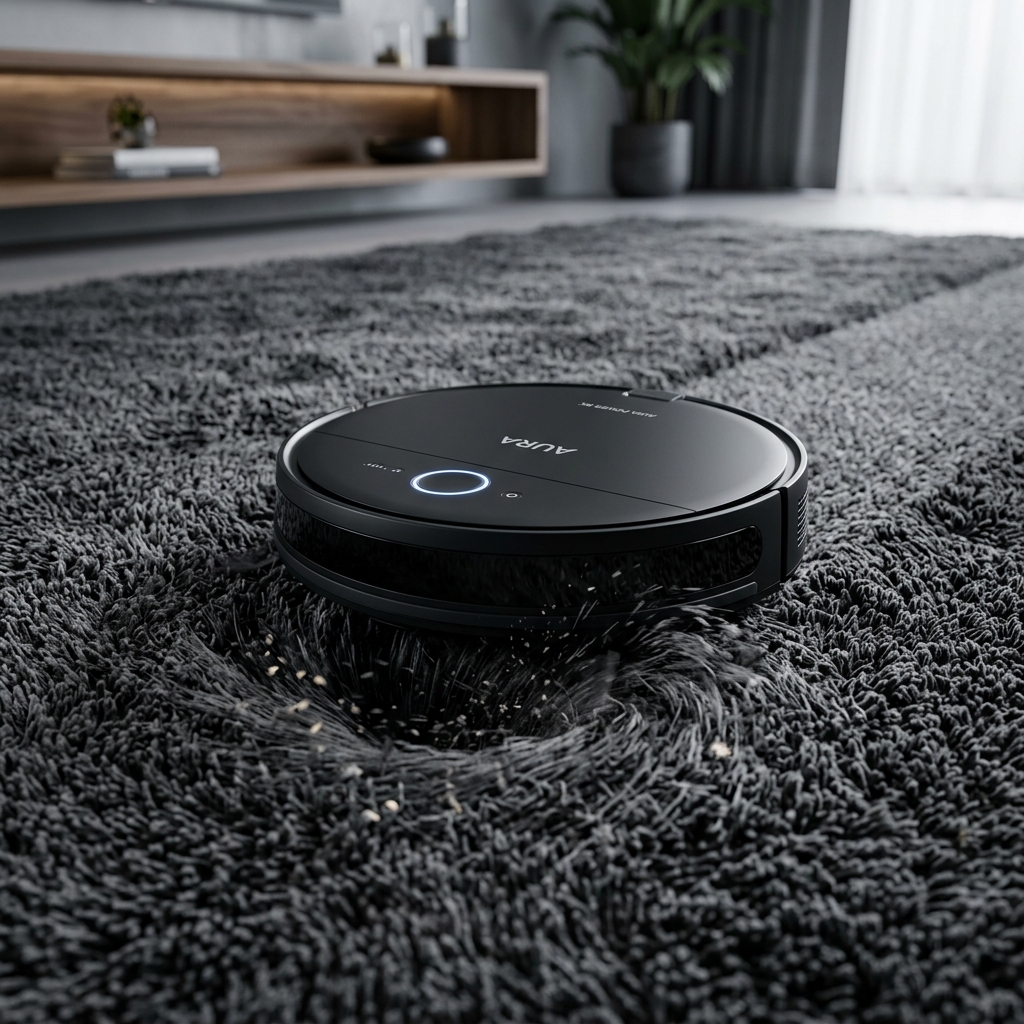
The Efficiency Paradox
Why a 5,000Pa robot can sometimes clean better than a 25,000Pa canister.
Robot Efficiency:
- Frequency: Cleans every single day.
- Coverage: Maps the floor to ensure zero missed spots.
- Low Profile: Reaches deep under the bed daily.
- Mopping: Damp mops while vacuuming.
Traditional Efficiency:
- Power: 5x higher suction for deep-seated dust.
- Versatility: Cleans sofas, fans, and shelves.
- Instant: Perfect for a 30-second kitchen spill.
- Unlimited: No battery limits (on corded models).
Expert Choice: Best for Your House Type
The layout of your Indian home should dictate your vacuum choice.
Modern 2BHK/3BHK Apartments
A Robot Vacuum is the winner here. Standardized floor plans and large open spaces allow robots to clean with 99% coverage efficiency.
Traditional Indian Bungalows
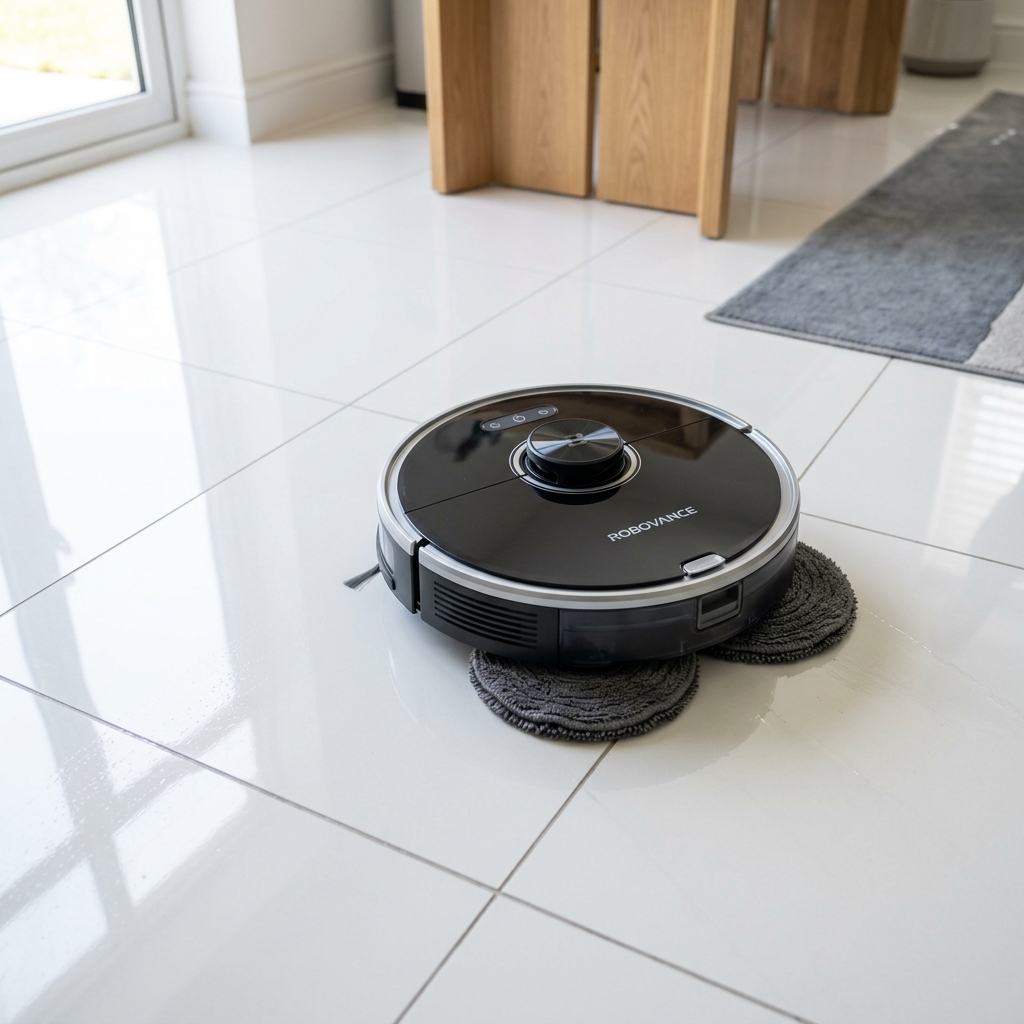
You need a Hybrid Strategy. A robot for the ground floor marble and a traditional stick vacuum for the stairs and first-floor carpets.
Farmhouses / High-Dust Areas
A Traditional Canister vacuum is better for heavy-duty sand and mud removal, supplemented by a robot for daily maintenance.
Automation vs. Power Trade-offs
Before you ditch the traditional vacuum, consider these points.
the carpet depth
Trade-off: Robots struggle with deep-pile carpets. Reality: While robots are great for surface dust, a traditional vacuum with a motorized head is better at pulling dust from the base of thick rugs.
the furniture gap
Trade-off: A robot can't move chairs. Reality: To get a true 100% clean with a robot, you need to lift lightweight items like dining chairs or toys off the floor.
maintenance work
Trade-off: Robots need their own cleaning. Reality: Traditional vacuums are low-maintenance. Robots need their brushes and sensors cleaned weekly to maintain peak performance.
Robot vs Traditional FAQs
Can a robot vacuum replace a traditional one?
For 90% of daily floor cleaning, yes. However, you'll still need a traditional vacuum or a handheld one for sofas, car interiors, and deep corner cleaning.
Is a robot vacuum loud?
Robots are generally much quieter (60-65dB) than traditional canister vacuums (75-80dB). You can easily watch TV or work while the robot cleans.
How much electricity does a robot use?
Very little. Charging a robot vacuum for a full clean usually costs less than ₹2 per day, making them extremely energy-efficient.
Which is better for pet hair?
Both are great, but a robot is superior for maintenance because it removes pet hair *every day*, preventing it from embedding into fabrics.

Explore More Expert Guides
Discover more top-rated tech and smart home recommendations for your lifestyle.
Best Robot Vacuums
Top picks for all Indian home budgets.

Home Espresso Machines
Barista-quality coffee makers for home.
Best RO Water Purifiers
Ensure safe and pure drinking water.

Best Action Cameras
Capture adventures in stunning 4K.
HEPA Air Purifiers
Breathe clean and fight dust & allergies.
Best Sewing Machines
Premium electric and automatic stitchers.
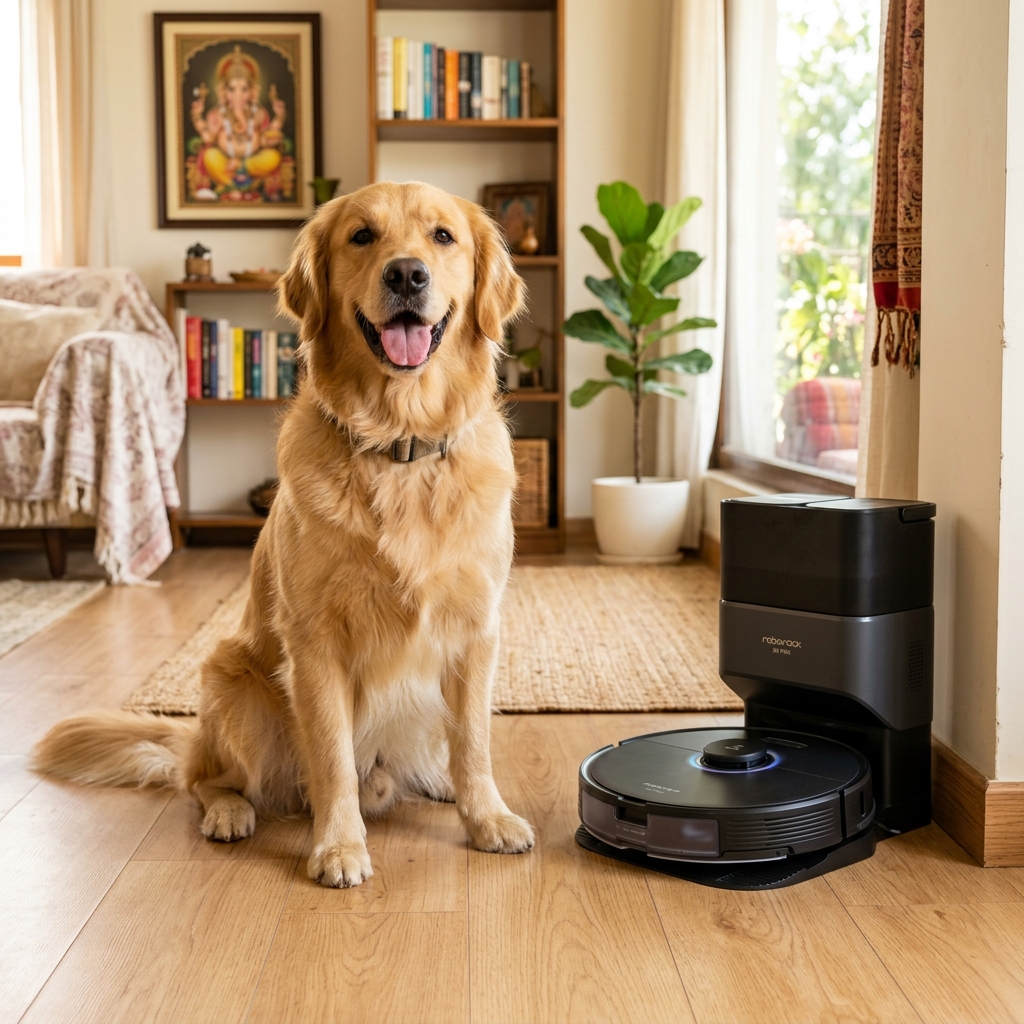
Vacuums for Pet Hair
Zero tangle and deep cleaning solutions.

Manual Espresso Makers
Portable, hand-powered coffee anytime.