Simple Example
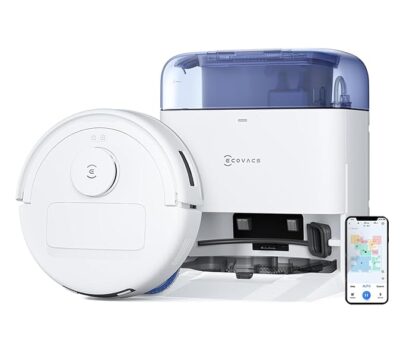
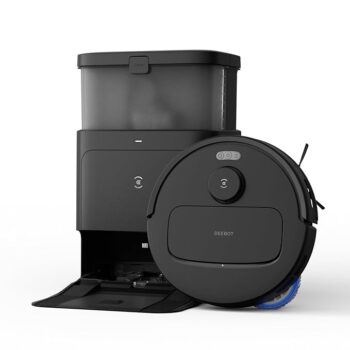
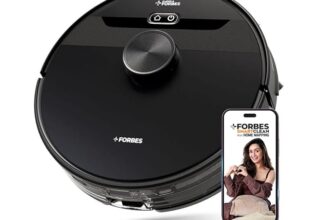
For example, you can schedule the robot vacuum to clean every day at 10 AM while you are at work. By the time you come back home, the house floor is already cleaned automatically.
Key Points Summary
- Cleans the floor automatically
- Works on battery
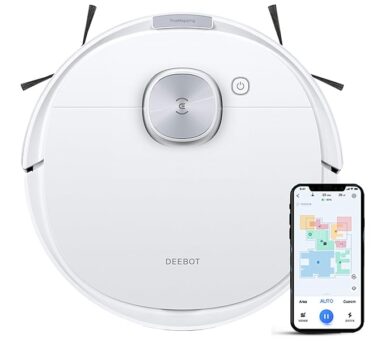
- Uses sensors and mapping
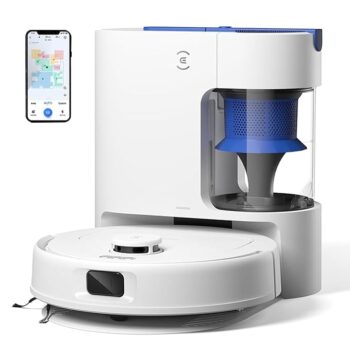
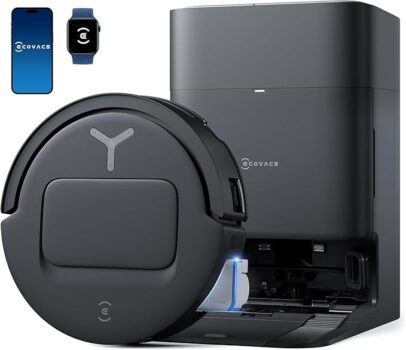
- Can be controlled via mobile app
- Returns to the charging dock automatically
- Some models also mop the floor
How Does a Robot Vacuum Cleaner Work?
A robot vacuum cleaner works using a combination of sensors, motors, brushes, mapping technology, and artificial intelligence navigation systems.
These components help the robot move around the house, detect dirt, avoid obstacles, and clean efficiently without human help.
Most robot vacuum cleaners follow a systematic cleaning pattern instead of moving randomly. Advanced models use LiDAR navigation or camera mapping to create a map of your home and clean room by room.
Step-by-Step Working Process
Here is how a robot vacuum cleaner works step by step:
- The robot starts from the charging dock
- It scans the room using sensors or LiDAR
- Creates a map of the house
- Moves in a cleaning pattern
- Side brushes pull dust to the center
- The main brush collects dirt
- The suction motor pulls dust into the dustbin
- If the battery is low, it returns to the charging dock
Main Components of Robot Vacuum Cleaner
Understanding the parts helps users trust the product more and increases buying intent.
1. Sensors
Robot vacuum cleaners have cliff sensors, wall sensors, obstacle sensors, and dirt detection sensors. These sensors help the robot avoid stairs, detect walls, and clean dirty areas more carefully.
For example, cliff sensors prevent the robot from falling down stairs, and obstacle sensors help it avoid furniture.
2. Side Brushes
Side brushes rotate and pull dust and dirt from corners and edges towards the main brush. This helps in cleaning areas near walls and furniture where traditional vacuum cleaners usually miss.
These brushes are very important for cleaning corners and edges properly.
3. Main Brush Roller
The main brush rotates and lifts dust, hair, and debris from the floor and carpets. This brush works like a traditional vacuum cleaner roller brush.
It is especially useful for pet hair, carpets, and heavy dust.
4. Suction Motor
The suction motor pulls dust and dirt into the dustbin. Higher suction power means better cleaning performance, especially on carpets and rugs.
Suction power is usually measured in Pascals (Pa).
Suction Power | Cleaning Performance |
1500 Pa | Basic Cleaning |
2500 Pa | Good Cleaning |
4000 Pa | Strong Cleaning |
6000+ Pa | Very Powerful |
5. Battery and Charging Dock
Robot vacuums run on rechargeable batteries and automatically return to the charging dock when the battery is low. After charging, some advanced models resume cleaning from where they stopped.
This feature is called Auto Recharge & Resume.
Navigation Technology in Robot Vacuum Cleaners
Navigation technology is one of the most important factors that decide how well a robot vacuum cleans a house. Different robot vacuums use different navigation systems.
Types of Navigation
Navigation Type | How It Works | Efficiency |
Random Navigation | Moves randomly | Low |
Gyroscope Navigation | Moves in pattern | Medium |
Camera Mapping | Uses camera to map house | High |
LiDAR Navigation | Uses laser mapping | Very High |
LiDAR navigation robots are the most efficient and clean faster and more accurately.
Benefits of Robot Vacuum Cleaner
Robot vacuum cleaners are becoming popular because they save time, effort, and maintain daily cleanliness automatically.
Major Benefits
- Automatic cleaning
- Saves time and effort
- Works on schedule
- Cleans under beds and sofas
- Good for pet hair cleaning
- Smart app control
- Works with Alexa & Google Assistant
- Daily cleaning keeps the house dust-free
Example Scenario
If your house collects dust daily, instead of sweeping every day, you can run the robot vacuum daily. This reduces dust accumulation and keeps the house clean.
Robot Vacuum Cleaner vs Traditional Vacuum Cleaner
Feature | Robot Vacuum | Traditional Vacuum |
Automatic Cleaning | Yes | No |
Manual Effort | No | Yes |
Works on Schedule | Yes | No |
Cleaning Under Furniture | Easy | Difficult |
Price | Expensive | Cheap |
Smart Features | Yes | No |
Daily Cleaning | Yes | No |
Conclusion: A robot vacuum is best for daily automatic cleaning, while traditional vacuum is best for deep cleaning occasionally.
Is a Robot Vacuum Cleaner Worth Buying?
Yes, robot vacuum cleaners are worth buying if you want automated cleaning and dust-free floors every day. They are especially useful for working professionals, families with kids, pet owners, and large homes.
However, robot vacuums are not a complete replacement for deep cleaning. You may still need manual cleaning occasionally for carpets, corners, and heavy dirt.
Best suited for
- Busy professionals
- Pet owners
- Large homes
- Smart home users
- Daily cleaning needs
- People with dust allergies
FAQ – Robot Vacuum Cleaner (AI & Featured Snippets Optimized)
1. What is a robot vacuum cleaner?
A robot vacuum cleaner is an automatic floor cleaning device that uses sensors, brushes, and suction motors to clean floors without human effort. It moves around the house automatically and returns to charging when the battery is low.
2. How does a robot vacuum cleaner navigate?
Robot vacuum cleaners navigate using sensors, cameras, a gyroscope, or LiDAR laser mapping technology. Advanced robots create a map of the house and clean in a systematic pattern instead of moving randomly.
3. Can robot vacuum cleaners clean carpets?
Yes, most robot vacuum cleaners can clean carpets. Robots with higher suction power (above 2500 Pa) can clean carpets, pet hair, and dust effectively.
4. Do robot vacuum cleaners fall down stairs?
No, robot vacuum cleaners have cliff sensors that detect stairs and prevent the robot from falling.
5. How long does a robot vacuum battery last?
Most robot vacuum cleaners run for 90 to 180 minutes on a single charge, depending on the model and cleaning mode.
6. Can robot vacuum cleaners mop the floor?
Yes, many robot vacuum cleaners come with a mopping feature where a water tank and mop cloth are attached for wet cleaning.
7. Is a robot vacuum cleaner good for Indian homes?
Yes, robot vacuum cleaners work well on tiles, marble, and wooden floors, which are common in Indian homes.
8. How often should I run a robot vacuum cleaner?
You can run a robot vacuum daily or on alternate days to maintain dust-free floors.
9. How much electricity does a robot vacuum use?
Robot vacuum cleaners consume very little electricity, similar to charging a laptop.
10. How long do robot vacuum cleaners last?
A good robot vacuum cleaner typically lasts 3 to 5 years, depending on usage and maintenance.
Final Conclusion
Robot vacuum cleaners are one of the best smart home appliances for automated daily cleaning. They use sensors, mapping technology, brushes, and suction motors to clean floors automatically without human effort. With features like app control, scheduling, auto charging, and mopping, robot vacuums are becoming very popular in modern homes.